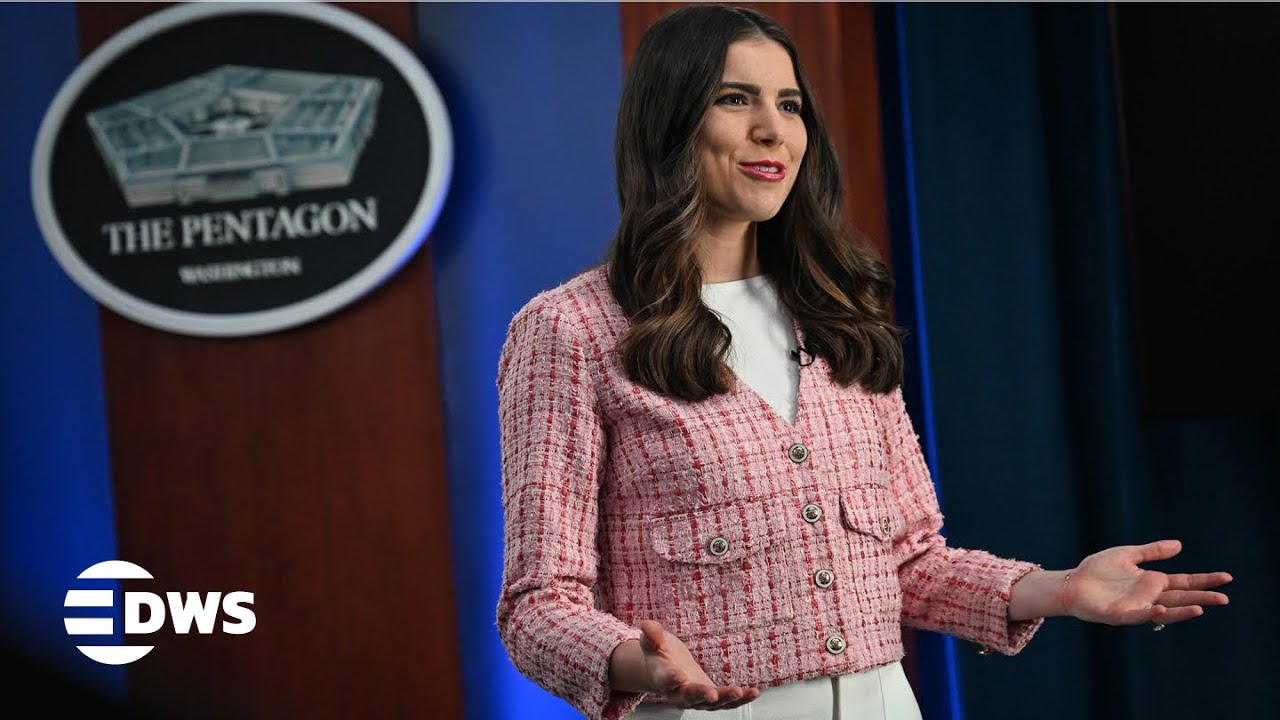
From Presidential Briefings to Public Spectacle: The Evolution of the Press Conference
In an age dominated by instant social media updates and fragmented news cycles, the traditional press conference might seem like a relic. Yet, this time-honored media event remains a cornerstone of strategic communication, providing a vital bridge between leaders, organizations, and the public. From its humble beginnings with an innovative U.S. President to its transformation into a televised public spectacle and a sophisticated tool for managing narratives, the press conference has undergone a profound evolution, adapting to changing media landscapes while retaining its core purpose: direct, controlled dissemination of information.
The Genesis: Wilson's Innovation and the Formalization of Media Engagement
Before the early 20th century, interactions between political leaders and the press were often informal, unstructured, and sometimes even adversarial. It was U.S. President Woodrow Wilson who, in March 1913, recognized the need for a more structured approach to engaging with reporters on presidential matters. His decision to initiate regular, formal gatherings marked the birth of the modern press conference. This was a groundbreaking move, allowing the President to communicate directly with a collective body of journalists, providing a singular platform for announcements and responses to inquiries.
While Wilson laid the groundwork, the format of the press conference continued to evolve. It wasn't until the Eisenhower administration that many of the elements we recognize today became standard practice. Eisenhower's team helped establish the structure where a speaker delivers an opening statement, followed by a moderated question-and-answer session, often with pre-selected or called-upon questions. This shift was critical, moving the event from a mere gathering to a carefully managed media operation. By the mid-20th century, specifically between 1935 and 1940, the term "press conference" had entered common usage in English, signifying its established role as a formal, indispensable component of public life.
The Golden Age of Media: Press Conferences as Public Affairs Television
As media technology advanced, so too did the reach and format of the press conference. The mid-1950s saw an intriguing adaptation of the concept from a live event primarily for reporters to a broadcast phenomenon, bringing the raw interaction of journalism directly into American homes. This era gave rise to television programs that mirrored the press conference format, demonstrating its enduring appeal and its potential as a vehicle for public discourse.
One notable example was the aptly named television program Press Conference, which aired in the United States in the mid-1950s. Launched on NBC in July 1956 before moving to ABC that fall, this public-affairs program offered viewers a direct window into the democratic process. Moderated by the pioneering female journalist Martha Rountree, one of the creators of the long-running *Meet the Press*, the show featured a current newsmaker – typically a politician – being questioned by a panel of newspersons. Much like a traditional press conference, the subject could make an opening statement before fielding questions, offering a unique blend of direct communication and journalistic scrutiny.
Though initially placed in a challenging prime-time slot against entertainment behemoths like *The Ed Sullivan Show* and *The Steve Allen Show*, and drawing a specialized, public-affairs oriented audience, its existence was crucial. It helped ABC fulfill public-interest requirements mandated by the Federal Communications Commission (FCC), underscoring the perceived importance of the press conference format for informing the citizenry. After a brief stint on Sunday afternoons, the program returned to prime time as *Martha Rountree's Press Conference* before concluding in July 1957. Despite its relatively short run, this program showcased how the fundamental structure of a press conference could be adapted and amplified by mass media, transforming it from an event for journalists into a public spectacle and a vital mechanism for accountability. For more on this pivotal show and its moderator, explore Martha Rountree's Press Conference: Pioneering 1950s Public Affairs TV.
Strategic Communication in the Modern Era
Today, the press conference has cemented its place as an integral component of political, corporate, and public relations strategies worldwide. It serves multiple primary purposes: informing the public through media channels, generating news coverage, managing narratives during crises, and making significant announcements. Whether it's a president addressing national policy, a CEO launching a new product, or a scientist presenting groundbreaking research, the structured environment of a press conference allows for simultaneous, broad coverage by multiple media outlets.
However, the modern press conference is a delicate balance between transparency and message control. Organizers carefully craft opening statements, prepare spokespersons with key messages, and often strategize on how to handle potential adversarial questioning. The authority to select questioners and conclude proceedings rests with the organizer, giving them a degree of control over the flow of information. This control is vital for maintaining a consistent narrative, especially during sensitive times or crises. Yet, this very control can also be a double-edged sword; if access is perceived as restricted, or if responses falter under scrutiny, a press conference can inadvertently amplify controversies rather than mitigate them.
The ubiquity of social media and the 24/7 news cycle have added new layers of complexity. While direct communication channels now exist, the collective nature of a press conference still holds unique power. It forces a spokesperson to face multiple perspectives simultaneously and provides a shared experience for journalists, often leading to more robust and diverse reporting. Understanding the strategic nuances of these events is crucial in today's information-rich world. Discover more about the critical role these events play in shaping public perception by reading Why Press Conferences Matter: Managing Messages & Shaping Public News.
Mastering the Modern Press Conference: Tips for Effective Engagement
For both organizers and attendees, maximizing the impact of a press conference requires careful planning and execution.
For Organizers and Spokespersons:
- Define Clear Objectives: Before anything else, understand what you want to achieve. Is it to announce, clarify, or mitigate?
- Thorough Preparation: Develop concise key messages, anticipate potential questions (especially challenging ones), and rehearse responses. A well-prepared spokesperson exudes confidence and competence.
- Choose the Right Venue and Equipment: An accessible location with good acoustics, lighting, and functioning audiovisual equipment is essential for effective media coverage.
- Craft a Compelling Opening Statement: This sets the tone and frames your narrative. Be clear, concise, and impactful.
- Manage the Q&A Effectively: Be respectful but firm. Answer questions directly, avoid jargon, and if a question is off-topic, bridge back to your core messages. Know when to conclude the session to avoid fatigue or repetitive questioning.
- Provide Supporting Materials: Have press kits, fact sheets, and relevant visuals ready for distribution to ensure accurate reporting.
For Journalists:
- Research Extensively: Understand the context, the speaker, and the potential implications of the announcement.
- Formulate Precise Questions: Craft questions that are clear, concise, and designed to elicit specific information or push for accountability.
- Listen Actively: Pay attention to not only the answers but also the questions posed by colleagues. This can help you refine your own follow-ups.
- Be Prepared to Follow Up: Don't be afraid to ask a clarifying question if the initial answer is vague or incomplete.
Conclusion
From Woodrow Wilson's pragmatic decision to engage the press directly to the televised public affairs programs of the 1950s and the highly strategized events of today, the press conference has proven its adaptability and enduring relevance. It remains a powerful instrument for direct communication, information dissemination, and accountability. While new digital platforms continuously emerge, the collective, structured interaction of a press conference continues to offer a unique blend of control and transparency, making it an irreplaceable tool in the arsenal of strategic communicators and a vital mechanism for informing the public in a complex world.